Pathological Narcissism Meaning, Traits, Examples, and Next Steps
Pathological narcissism describes narcissistic patterns that become rigid, distressing, or harmful enough to affect relationships, work, self-esteem, and emotional regulation. The phrase can sound harsh, but it is most useful when treated as an educational concept, not a label to throw at yourself or another person. If you are trying to understand narcissistic traits without jumping to conclusions, a private narcissistic traits screening can be one structured starting point for reflection. This guide explains pathological narcissism vs NPD, common traits, examples in relationships, how it differs from malignant narcissism, what the Pathological Narcissism Inventory is, and what next steps may help.

What Pathological Narcissism Means
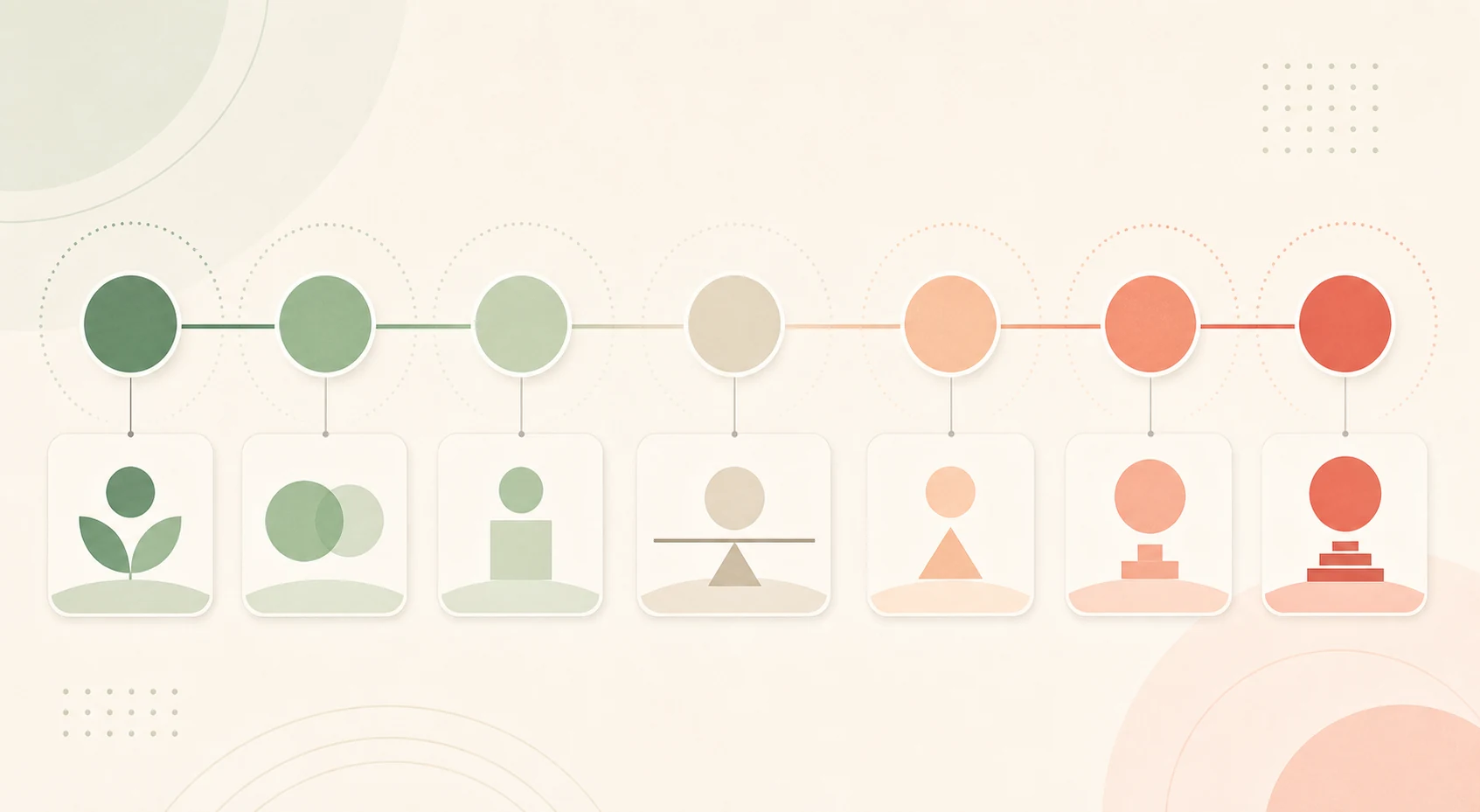
Narcissism exists on a spectrum. At the healthier end, a person may have confidence, ambition, pride in their work, and the ability to assert needs while still caring about others. Those qualities are not automatically harmful. Narcissism becomes more concerning when self-focus, entitlement, defensiveness, admiration-seeking, or lack of empathy become persistent patterns that damage functioning or relationships.
Pathological narcissism is a broad term for that more impairing range. It can include grandiose features, such as superiority, dominance, entitlement, and fantasies of exceptional success. It can also include vulnerable features, such as shame, hypersensitivity to criticism, hidden envy, emotional swings, and a fragile sense of worth. Many people imagine narcissism as loud arrogance, but the vulnerable side is often quieter and more internally painful.
The word pathological does not mean someone is evil or beyond help. In psychology, it points to a pattern that may be clinically significant because it is intense, inflexible, and linked with distress or impairment. The most responsible way to use the concept is to ask what patterns are showing up, how often they occur, how much harm they create, and whether support could help.
Pathological Narcissism vs NPD
Pathological narcissism and narcissistic personality disorder, often shortened to NPD, overlap but are not identical terms. Pathological narcissism is a broader concept. It can describe severe narcissistic traits, personality style, or patterns of grandiosity and vulnerability that create problems even when a person does not meet the full threshold for a personality disorder.
NPD is a formal mental health category described in clinical frameworks such as the DSM-5-TR. It centers on a pervasive pattern involving grandiosity, need for admiration, and reduced empathy, beginning by early adulthood and appearing across contexts. A formal evaluation considers duration, severity, impairment, context, other possible explanations, and the person's full mental health picture.
This distinction matters because searchers often ask "pathological narcissism vs NPD" when they are trying to make sense of behavior quickly. A better question is: does the pattern seem persistent, impairing, and resistant to feedback? If so, the next step is not to assign a permanent label. It is to seek clearer information, observe patterns carefully, and consider qualified professional guidance when the issue affects safety, mental health, or important relationships.
Pathological Narcissism Traits to Watch For
Pathological narcissism traits usually cluster around self-esteem regulation, interpersonal control, and difficulty tolerating shame or limits. Not every trait will appear in every person, and one trait on its own does not tell the whole story.
Common grandiose traits may include:
- An exaggerated sense of importance or specialness.
- Expecting admiration, attention, or special treatment.
- Becoming irritated when others do not provide recognition.
- Minimizing other people's needs, feelings, or boundaries.
- Using charm, status, criticism, or pressure to stay in control.
Common vulnerable traits may include:
- Intense sensitivity to criticism or rejection.
- Hidden shame beneath a polished or defensive presentation.
- Envy, comparison, or resentment when others succeed.
- Withdrawal, contempt, or anger after feeling slighted.
- Fluctuating self-worth that depends heavily on outside validation.
These traits become more concerning when they repeat across situations and create predictable harm. For example, a person may apologize after an argument but return to the same blame, entitlement, or emotional punishment whenever they feel challenged. Another person may look confident in public but privately collapse into shame and resentment when they are not admired.
Pathological Narcissism Examples in Daily Life
Examples are helpful because pathological narcissism is less about a single dramatic moment and more about a repeated pattern. A person may show warmth, humor, generosity, or competence in some settings while still struggling with empathy, accountability, and emotional regulation in others.
In a romantic relationship, pathological narcissism may look like a partner who needs constant reassurance, reacts harshly to feedback, reframes every conflict as an attack, and expects the other person to repair the relationship without equal accountability. The issue is not one bad argument. The issue is a cycle where one person's shame or entitlement repeatedly overrides mutual respect.
At work, it may look like a colleague who takes credit for shared wins, blames others when plans fail, dismisses less visible labor, and treats disagreement as disloyalty. They may be impressive in presentations but difficult in collaboration because status matters more than shared reality.
In family life, it may look like a parent, sibling, or adult child who expects loyalty, admiration, or emotional caretaking while showing little curiosity about others' inner worlds. The family may learn to manage the person's mood instead of speaking honestly.
Pathological lying narcissism is another phrase people search for, but it needs care. Lying can occur for many reasons, including fear, shame, avoidance, addiction, trauma responses, or other mental health issues. In a narcissistic pattern, dishonesty may serve image protection, control, avoidance of accountability, or the need to preserve superiority. Even then, the behavior is best evaluated by its impact and repetition rather than treated as proof of a single cause.
Pathological Narcissism in Relationships
Pathological narcissism relationships can feel confusing because the same person may alternate between charm, intensity, withdrawal, criticism, and vulnerability. The relationship may begin with admiration or closeness, then gradually become organized around approval, emotional safety, or avoiding conflict.
Common relationship patterns include repeated blame-shifting, dismissal of boundaries, public confidence paired with private insecurity, and a strong need to control the story after conflict. Partners, friends, or family members may feel they are always explaining, soothing, proving loyalty, or defending basic needs.
If you are asking "how do you live with a narcissist husband" or a similar question, the practical focus should be safety, boundaries, support, and reality-checking. Avoid trying to win a debate about labels. Instead, document patterns, clarify what behavior you will and will not participate in, protect private support systems, and consider professional help if you feel isolated, threatened, chronically anxious, or unable to speak freely.
For people examining their own traits, relationship feedback can be painful but useful. A structured self-reflection tool may help organize patterns before a conversation with a therapist, counselor, or trusted professional. The goal is not self-condemnation. The goal is to notice whether defensiveness, entitlement, shame, or admiration needs are interfering with empathy and repair.

Pathological Narcissism vs Malignant Narcissism
Pathological narcissism vs malignant narcissism is another common comparison. Pathological narcissism is the broader umbrella for impairing narcissistic traits. Malignant narcissism is usually used more narrowly to describe a more severe and concerning pattern that may include narcissistic traits along with aggression, exploitation, cruelty, paranoia, or antisocial features.
Not every person with pathological narcissistic traits is malignant. That distinction is important because overusing the harsher label can make already confusing situations more frightening and less accurate. At the same time, if a relationship includes intimidation, coercive control, stalking, threats, financial control, physical harm, or sexual pressure, the priority is safety and outside support, not precise terminology.
For educational writing, the safer distinction is this: pathological narcissism asks whether narcissistic traits are persistent and impairing; malignant narcissism asks whether those traits are paired with a pattern of intentional harm, aggression, or exploitation. Both deserve careful handling, and neither should be used casually as an insult.
Pathological Narcissism and DSM-5
Searches for pathological narcissism DSM-5 often come from people trying to understand whether the phrase is an official category. The DSM-5-TR includes narcissistic personality disorder, not a separate category called pathological narcissism. Still, clinicians and researchers may use pathological narcissism to discuss severe narcissistic personality features that include both grandiose and vulnerable dimensions.
This is why online explanations can feel inconsistent. Some pages use pathological narcissism almost interchangeably with NPD. Others use it as a wider research and clinical concept. In practical terms, the difference is less important than the pattern's severity, duration, flexibility, and effect on life.
If you are worried about yourself, the most useful questions are not "What label fits me?" but "What happens when I feel criticized?", "Can I repair after hurting someone?", "Do I need admiration to feel stable?", and "Can I recognize another person's feelings even when I feel ashamed or defensive?" These questions leave room for growth while still taking the pattern seriously.
What the Pathological Narcissism Inventory Measures
The Pathological Narcissism Inventory, or PNI, is a research self-report measure developed to assess dimensions of pathological narcissism. It is often discussed because it captures both grandiose and vulnerable features, rather than only the outwardly confident presentation many people associate with narcissism.
The PNI is not the same as a casual online quiz. Research instruments are designed for specific purposes, samples, scoring methods, and interpretation contexts. Searches such as "pathological narcissism inventory test," "brief pathological narcissism inventory," or "pathological narcissism inventory scoring" often reflect genuine curiosity, but scores should not be treated as a stand-alone answer about someone's personality or future.
For general readers, the main lesson from the PNI is conceptual: pathological narcissism can involve both inflated self-importance and painful vulnerability. Someone may seek admiration and still feel deeply unstable inside. Someone may appear superior while relying heavily on other people to stabilize self-worth. Understanding that mix can make the topic more human and more precise.

Pathological Narcissism Treatment and Support Options
Pathological narcissism treatment usually means psychotherapy focused on insight, emotional regulation, interpersonal functioning, accountability, and a more stable sense of self. Different approaches may be used depending on the person's needs, co-occurring concerns, risk level, and willingness to participate. Mentalization-based treatment, transference-focused psychotherapy, schema therapy, psychodynamic therapy, and skills-based approaches are often discussed in professional contexts.
Progress can be difficult because narcissistic patterns often protect against shame. A person may want relief while also resisting feedback that feels humiliating. Therapy may involve learning to pause before reacting, notice other people's minds as separate from one's own, tolerate imperfection, and repair harm without collapsing into shame or counterattack.
If you are affected by someone else's narcissistic patterns, support may focus less on changing that person and more on your own boundaries, safety, clarity, and recovery from chronic stress. Couples or family therapy may help in some situations, but it is not appropriate when there is coercion, fear, or ongoing abuse. In those cases, individual support and safety planning matter more.

Using Self-Reflection Without Turning It Into a Label
Pathological narcissism is most helpful when it leads to better questions, not harsher labels. If you are reflecting on yourself, look for patterns across time: how you respond to criticism, whether you can respect limits, whether admiration feels necessary for stability, and whether you can repair after conflict. If you are reflecting on someone else, focus on observable behavior, boundaries, and support rather than trying to prove what is happening inside their mind.
NPDTest.org is built around that lower-pressure first step: a confidential, educational way to organize narcissistic traits and think about next steps. You can use the NPD traits education hub as a starting point for reflection, then bring your concerns to a qualified professional if the patterns are intense, persistent, or affecting daily life.
FAQ
What are the symptoms of a pathological narcissist?
Common signs may include persistent entitlement, need for admiration, defensiveness, lack of empathy, sensitivity to criticism, envy, control, blame-shifting, and difficulty repairing harm. The pattern matters more than one isolated behavior. A careful view also considers context, stress, trauma, substance use, mood problems, and other explanations.
What is pathological narcissism vs NPD?
Pathological narcissism is a broad term for impairing narcissistic traits, including grandiose and vulnerable features. NPD is a formal personality disorder category used in clinical frameworks. A person can show serious narcissistic patterns without a quick answer about whether they meet full criteria for NPD.
Is narcissism always pathological?
No. Confidence, ambition, pride, and a wish to be valued are not automatically pathological. Narcissism becomes more concerning when self-focus, entitlement, admiration-seeking, or reduced empathy become rigid, repeated, and harmful to relationships or functioning.
What is an example of pathological narcissism?
One example is a partner who repeatedly reacts to ordinary feedback as humiliation, shifts blame, demands reassurance, and refuses repair unless the other person accepts responsibility for the conflict. The concern comes from the repeated cycle, not from a single defensive moment.
What is the difference between pathological narcissism and malignant narcissism?
Pathological narcissism is the broader concept for impairing narcissistic traits. Malignant narcissism is usually used for a more severe pattern that may include aggression, exploitation, cruelty, paranoia, or antisocial features. Safety should come before terminology if intimidation or coercion is present.
Can pathological narcissism improve?
Some people can make meaningful changes, especially when they are willing to engage in therapy, tolerate feedback, and practice healthier relationship repair. Change is usually gradual because the traits often protect against shame and vulnerability.
What does the Pathological Narcissism Inventory measure?
The Pathological Narcissism Inventory is a research measure that assesses dimensions of grandiose and vulnerable narcissism. It is useful for understanding the concept, but it should not be treated as a stand-alone answer about a person.