NPD Therapy: A Guide to Treatment for Narcissistic Traits
So, you've taken an online assessment, and the results suggest you may have narcissistic traits. Seeing a high score can feel confusing, overwhelming, or even frightening. What does this result actually mean, and what comes next?
First, take a deep breath. A score on a screening tool is not a diagnosis. Instead, it’s a starting point for self-awareness. It’s an opportunity to look at certain patterns in your life. You can examine your thoughts, feelings, and relationships and decide if you want to change them. This article is here to guide you through the next step: understanding therapy as a path toward growth and healthier connections.
Recognizing these traits is a significant first step. Tools like our confidential narcissistic traits quiz are designed to help you begin that private journey. Now, let’s explore how professional therapy can help you build on that initial insight.

Why Consider Therapy for Narcissistic Traits?
Deciding to seek therapy is a personal choice, but it can be one of the most powerful decisions you make. It's not about "fixing" a flaw. It's about investing in your well-being and learning new ways to navigate the world that bring you and others more peace.
The Path to Self-Awareness and Personal Growth
At its core, therapy offers a safe, non-judgmental space to explore your inner world with a trained professional. For those with narcissistic traits, this process can be transformative. Effective NPD therapy can help you:
- Understand Your Emotions: Learn to identify and manage underlying feelings like shame, insecurity, or emptiness that may fuel narcissistic defenses.
- Develop Empathy: Build your ability to understand and connect with the feelings and perspectives of others, which can dramatically improve your relationships.
- Improve Relationships: Work on communication patterns, reduce conflict, and build more authentic, reciprocal connections with partners, family, and friends.
- Build Stable Self-Esteem: Move away from relying on external validation and cultivate a more genuine and resilient sense of self-worth.
This journey is about moving from a place of defense to a place of authentic strength. It is a path toward a life that feels more meaningful and less driven by a constant need for validation.

Setting Realistic Expectations for Your Therapy Journey
It is important to approach therapy for narcissistic traits with realistic expectations. Meaningful change doesn't happen overnight. Narcissistic patterns are often deeply ingrained, developed over many years as a way to cope with early life experiences.
Be prepared for a process that requires commitment, honesty, and courage. There may be moments when you feel resistant or uncomfortable, which is a normal part of therapy. A good therapist will help you navigate these challenges. The goal isn't to become a different person, but to become a healthier, more self-aware version of yourself.
Types of Therapy for Narcissistic Personality Disorder
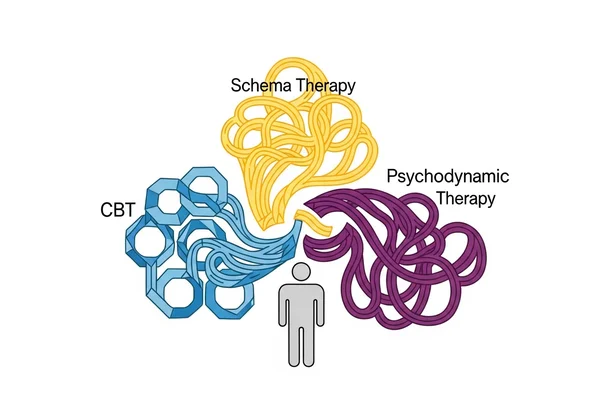
There is no single "cure" for narcissistic traits, but several evidence-based therapies have proven effective. A therapist may use one or a combination of these NPD therapy approaches to help you manage symptoms and improve your life.
Cognitive Behavioral Therapy (CBT) for Unhelpful Patterns
Cognitive Behavioral Therapy (CBT) is a practical, goal-oriented approach. It focuses on identifying and changing unhelpful thinking patterns and behaviors.
In the context of narcissistic traits, a CBT therapist might help you:
- Challenge Grandiose Thoughts: Recognize and question beliefs about your superiority or entitlement.
- Learn to Handle Criticism: Develop healthier coping mechanisms for receiving feedback without reacting defensively.
- Practice Empathy-Building Exercises: Work on skills to better understand another person's point of view in specific situations.
CBT provides you with tangible tools you can use in your daily life to create immediate, positive changes.
Schema Therapy: Healing the Roots of Narcissism
Schema Therapy goes a step deeper than CBT. It explores the origins of your personality traits, often tracing them back to unmet emotional needs in childhood. This approach helps identify "lifetraps"—deeply held, self-defeating beliefs about yourself and the world.
For narcissistic traits, Schema Therapy aims to heal the "lonely child" part of the personality that may be hidden beneath a facade of grandiosity. The goal is to strengthen your "healthy adult" self, allowing you to meet your own needs in a way that doesn't harm yourself or others.
Psychodynamic Therapy: Understanding Your Past
Psychodynamic therapy focuses on how your past experiences, especially unconscious feelings and memories, shape your current behavior. It's a journey into your personal history to understand the "why" behind your actions.
A psychodynamic therapist will help you explore the root causes of your insecurities and defenses. By bringing these unconscious drivers to light, you can gain profound insight into your patterns. This awareness allows you to make conscious choices to change them. This approach can lead to deep and lasting personal transformation, a process that can start with a simple NPD screening tool.
How to Find the Right Therapist for Your Needs
Finding a therapist you trust is the most critical factor in a successful therapy journey. Not all therapists are equipped to work with narcissistic personality traits, so it’s important to do your research.
Essential Qualities to Look for in an NPD Specialist
When searching for a therapist, look for someone who has:
- Specialized Experience: They should have specific training and experience in treating personality disorders, particularly NPD.
- A Non-Judgmental Stance: You should feel safe and respected, not criticized or shamed.
- Strong Boundaries: A good therapist will be warm and empathetic while maintaining clear professional boundaries.
- Patience and Persistence: They understand that this work takes time and will stick with you through the challenges.
Practical Steps to Begin Your Search and Initial Consultations
- Use Reputable Directories: Websites like Psychology Today or the American Psychological Association allow you to filter therapists by specialty.
- Check Credentials: Ensure the therapist is licensed to practice in your state or country (e.g., LCSW, PhD, PsyD, LPC).
- Schedule Consultations: Most therapists offer a free 15-minute consultation. Use this time to ask questions and see if you feel comfortable with them.
- Ask Direct Questions: Don't be afraid to ask, "What is your experience working with clients who have narcissistic traits?" or "What therapeutic approaches do you use?"
Overcoming Common Barriers to Seeking Professional Help
It’s completely normal to feel hesitant about starting therapy. Common barriers include fear of judgment, shame about your behaviors, or doubt that therapy can actually help.
Acknowledging these fears is the first step to overcoming them. Remember that seeking help is a sign of strength and self-awareness, not weakness. It shows that you are ready to take control of your life and work toward a better future.

Your Path Forward: Starting Therapy for NPD
A high score on an NPD screening is not a final judgment. It is an invitation to begin a journey of self-discovery. While narcissistic traits can cause pain for you and others, they do not have to define your future. Change is possible through dedicated NPD therapy.
This treatment for narcissistic personality disorder offers a structured path to understanding your patterns, healing old wounds, and building healthier connections. By finding the right therapist and committing to the process, you can create a more authentic life based on genuine self-worth.
Your journey has already started. If you are ready for the next step, use this guide to move forward. For a private and confidential starting point, our free NPD test can help you gain clarity.
Frequently Asked Questions About NPD Therapy
Do Individuals with Narcissistic Traits Know They Need Therapy?
While a lack of self-awareness can be a core feature of NPD, it's a misconception that everyone with these traits is oblivious. Many individuals seek help because they are distressed by their own behavior, struggling with depression, or facing the loss of important relationships. The motivation often comes when their usual coping mechanisms stop working.
Can Narcissistic Personality Disorder (NPD) Be Cured?
Therapy doesn't "cure" a personality structure in the way medicine cures an infection. Instead, the goal of treatment is to manage symptoms, reduce harmful behaviors, and significantly improve quality of life. Many people learn to develop empathy, maintain healthier relationships, and find more stable happiness through dedicated, long-term therapy.
What Is the Typical Duration of Therapy for Narcissistic Traits?
Because personality patterns are deeply rooted, therapy for narcissistic traits is typically a long-term process. It often takes a year or more to see significant and lasting change. The exact duration depends on the individual's goals, the severity of the traits, and their commitment to the therapeutic process.
How Do I Differentiate Between Therapy for My Traits and Therapy for Abuse Recovery?
This is a crucial distinction. Therapy for narcissistic traits focuses on helping you change your own thought patterns and behaviors. This is different from therapy for narcissistic abuse recovery. That type of therapy is for those who have been harmed by someone's behavior and focuses on healing, setting boundaries, and rebuilding self-esteem. Be clear with a potential therapist about which path you are seeking.
Is Online Therapy an Effective Option for Narcissistic Traits?
Yes, online therapy can be an effective and accessible option. The most important factor is the therapist's expertise, not the format. As long as you find a licensed therapist with specialized experience in personality disorders, virtual sessions can be just as beneficial as in-person ones. Just as online tools like our free narcissistic traits test provide an accessible first step, online therapy provides accessible professional support.